Landing Page Builders 2026: Unbounce vs Instapage vs Webflow
Side-by-side comparison of Unbounce, Instapage, Leadpages, Carrd, HubSpot CMS Hub, and Webflow. Honest 2026 pricing, template depth, A/B testing engines, conversion features, and which tool fits which budget — verified against each vendor’s pricing page.
Mustafa Bilgic
Solo founder, AIPostMockup · Adıyaman, Türkiye
Quick Answer
For paid-traffic optimization, pick Unbounce ($99/mo) — Smart Traffic alone is worth it. Instapage ($199/mo and up) wins for enterprise advertisers. Webflow is the better marketing-site builder for design-led teams. Leadpages is the value pick at $49/mo for solopreneurs needing unlimited pages. Carrd ($19/year) is best for one-page sites. HubSpot CMS Hub only makes sense if you are already on HubSpot CRM.
Table of Contents
At-a-glance comparison
Pricing reflects each vendor's official pricing page as of the publish date below. Click each vendor name to open the source page in a new tab so you can verify before buying.
| Vendor | Starting price | Free plan / trial | Best for |
|---|---|---|---|
| Unbounce Experiment $149/mo, Optimize $249/mo, Concierge $649/mo. Smart Traffic and Smart Builder included on most tiers. | $99/mo (Build, monthly) | 14-day free trial | Performance marketers running paid traffic with A/B + AI Smart Traffic |
| Instapage Optimize and Convert tiers are quote-based. Personalization, AdMap and AMP included. | $199/mo (Create, billed annually) | 14-day free trial | Enterprise advertisers running personalization and ad-to-page experiments at scale |
| Leadpages Pro $99/mo, Advanced $399/mo. Includes A/B testing on Pro and above. | $49/mo (Standard, billed annually) | 14-day free trial | Solopreneurs and small businesses that want unlimited pages on a flat monthly fee |
| Carrd Pro Standard $49/yr, Pro Plus $99/yr. Single-page only; no A/B testing. | $19/year (Pro Lite) | Free up to 3 sites | Personal pages, link-in-bio sites, and one-page launches on a tiny budget |
| HubSpot CMS Hub Professional $360/mo, Enterprise $1,500/mo. Adaptive testing on Pro and above. | $15/mo (Starter) | Free CMS tools (limited) | Teams already using HubSpot CRM that want connected pages + forms |
| Webflow CMS $23/mo, Business $39/mo, Enterprise quote-based. Native A/B testing released 2024. | $14/mo (Site Basic, billed annually) | Free Workspace + Site plan up to 50 form submissions | Designers and brand teams that want pixel-precise pages and CMS without code |
How landing page builders price in 2026
Landing page builders price on a mix of monthly recurring, traffic / form submission ceilings, and seat counts. Carrd and Webflow Site Basic are essentially flat monthly fees. Leadpages is flat. Unbounce and Instapage cap visitors and conversions per month and price up if you exceed them. HubSpot CMS bundles into the wider HubSpot pricing model. The right model for your team depends on how predictable your traffic is — flat fees win when traffic is unstable, traffic-capped plans win when you have steady volume.
2024 also saw a shift in how builders price AI. Most vendors no longer charge separately for AI assistants (Unbounce Smart Builder, Webflow AI, HubSpot Content Assistant) but the underlying credit-and-quota systems differ. Always check each vendor's linked pricing page for current AI inclusion, because this is the part of the bill that has changed most often in the last 18 months.
Unbounce: deep dive
Unbounce pricing at unbounce.com/product/pricing runs Build ($99/mo), Experiment ($149/mo), Optimize ($249/mo) and Concierge ($649/mo) in monthly billing. Annual saves roughly 25 percent. Smart Builder, Smart Traffic, and the AI Copy assistant are bundled into the higher tiers.
What it does well. Conversion optimization. Smart Traffic — Unbounce's machine-learning traffic router that sends each visitor to the variant most likely to convert them — is the single most cited differentiator versus Instapage and Leadpages. The Builder is purpose-tuned for conversion (over 100 conversion-focused templates, AMP support, dynamic text replacement, sticky bars and popups bundled). Form integrations with Mailchimp, HubSpot, Salesforce, Marketo and Zapier are mature.
Where it falls short. Page speed has historically lagged Webflow and well-built native pages. Page count and traffic caps on lower tiers can squeeze growing teams. The page builder is purpose-built for landing pages, not multi-page marketing sites; it is not a replacement for Webflow or WordPress.
Best fit. Performance marketers running paid Google, Meta, LinkedIn or TikTok traffic. The Smart Traffic upgrade alone often justifies the bill versus a manual A/B test workflow.
Instapage: deep dive
Instapage pricing at instapage.com/plans starts at $199/mo (Create, billed annually) with Optimize and Convert tiers being quote-based. Instapage is positioned unambiguously upmarket of Unbounce and Leadpages.
What it does well. Personalization and AdMap. Instapage AdMap (instapage.com/features/admap) lets you map every paid ad to a personalized landing page experience, and the Personalization engine swaps copy, hero images and CTAs based on UTM, audience, geo or custom rules. Heatmaps are built in. AMP support is mature. Page speed is consistently strong across the catalog.
Where it falls short. Price. At $199/mo entry, Instapage is roughly 2x Unbounce and 4x Leadpages. SMBs and startups rarely use enough of the platform to justify it. The template gallery, while polished, is smaller than Unbounce's.
Best fit. Enterprise advertisers running seven- or eight-figure paid budgets where the cost of a 1 percent conversion rate lift exceeds the entire annual Instapage bill. For SMB advertisers, Unbounce is the more honest pick.
Leadpages: deep dive
Leadpages pricing at leadpages.com/pricing runs Standard ($49/mo, annual), Pro ($99/mo, annual), and Advanced ($399/mo, annual). All tiers include unlimited pages and unlimited traffic — a meaningful differentiator versus Unbounce and Instapage which cap visitors per month.
What it does well. Value. Unlimited pages and unlimited traffic at $49/mo is unique. The template library has 200+ conversion-tested designs. A/B testing is included from Pro upward. Native integrations with Mailchimp, ActiveCampaign, ConvertKit, HubSpot and others. WordPress plugin allows publishing Leadpages content into a WP site.
Where it falls short. Page builder UX is older than Webflow or Unbounce. AI features are competent but lighter than Unbounce Smart Builder. Personalization options are basic. Designers will hit pixel-control limits faster than on Webflow.
Best fit. Solopreneurs, course creators, and small marketing teams that need a flat-fee builder with unlimited pages. At higher traffic volumes (1M+ visits/mo) the unlimited-traffic value proposition is uniquely strong.
Carrd: deep dive
Carrd pricing at carrd.co/pricing runs Free (3 sites), Pro Lite ($19/year, 3 sites with custom domain), Pro Standard ($49/year, 10 sites), and Pro Plus ($99/year, 25 sites). All Pro tiers unlock features like form submissions, embed widgets, and pro-only templates.
What it does well. Price and simplicity. Building a one-page site on Carrd takes 20 minutes. The page-load speed is excellent because the output is essentially static HTML. The Pro tier is cheap enough to be impulse-purchased by a founder.
Where it falls short. Single-page only. No A/B testing, no personalization, no analytics beyond what Google Analytics you embed yourself. Form submissions are basic.
Best fit. Personal portfolios, link-in-bio replacements, project launch pages, and simple SaaS waitlists. If you outgrow Carrd, Webflow Site Basic at $14/mo is the natural step up.
HubSpot CMS Hub: deep dive
HubSpot CMS Hub pricing at hubspot.com/pricing/cms runs Starter ($15/mo, 1,000 marketing contacts), Professional ($360/mo) and Enterprise ($1,500/mo). Pricing scales with marketing contacts and per-tier feature unlocks (smart content, adaptive testing, memberships).
What it does well. CRM-driven personalization. CMS Hub pages can render different copy, CTAs and forms based on any contact property in the HubSpot CRM. Adaptive testing (multivariate testing using machine learning) is native on Professional. Page builder and CMS are unified.
Where it falls short. Price. As a standalone landing page builder, $360/mo Professional is overpriced — you are paying for the CRM integration. Outside HubSpot, the same money buys you Unbounce Optimize ($249/mo) plus Leadpages Pro ($99/mo) and you would have more conversion features.
Best fit. Marketing teams already on HubSpot Marketing Hub Professional. CMS Hub Starter at $15/mo is reasonable for SMB websites; CMS Hub Professional only justifies itself when CRM-driven personalization is core to the marketing program.
Webflow: deep dive
Webflow pricing at webflow.com/pricing runs Site plans (Basic $14/mo, CMS $23/mo, Business $39/mo, Enterprise quote-based) and Workspace plans separately for teams. Webflow released native A/B testing on Site plans in 2024 and has shipped meaningful AI Builder features in 2024–2025.
What it does well. Design control and CMS. Webflow is the best in this comparison for designers — every property of every element is editable via the visual canvas, and the underlying HTML/CSS is clean enough to pass technical SEO audits. Native CMS Collections support blogs, case studies, team pages, and dynamic landing pages without code. Hosting on AWS is fast.
Where it falls short. Conversion-specific tooling is thinner than Unbounce or Instapage. Native A/B testing is new (2024) and not yet at parity with Unbounce Smart Traffic. The learning curve is steep — non-designers find Webflow harder to onboard than Leadpages or Carrd.
Best fit. Designers, brand teams, content marketers and SaaS founders who want a marketing site, blog, and landing pages in one tool with full pixel control. Pair Webflow with Unbounce or Instapage if you also run heavy paid traffic.
Templates and design system depth compared
Template depth ranking in 2026: Unbounce 100+ conversion-optimized landing-page templates; Webflow Webflow Made templates and the Webflow Showcase community library running into thousands; Leadpages 200+ tested templates with conversion-rate data; Instapage 500+ templates focused on ad landing pages; HubSpot CMS Hub 300+ templates in the marketplace, many designed for HubSpot Workflows integration; Carrd 80+ single-page templates.
Beyond raw count, design system depth matters. Webflow ships full design tokens, reusable Components and global styles. Unbounce supports global styles inside a project. Leadpages and Instapage operate at the page level. Carrd works at the section level. HubSpot CMS Hub uses theme files and module fields.
A/B testing and personalization compared
A/B testing ranking: Unbounce Smart Traffic remains the most automated experimentation engine in the comparison — traffic is automatically routed to the variant most likely to convert each visitor based on attributes like device and time of day. Instapage Personalization at scale is the strongest enterprise option, especially when paired with AdMap. HubSpot CMS Hub adaptive testing is good and bundles into a CRM-aware page. Webflow native A/B testing (released 2024) is straightforward and lives inside the Webflow editor. Leadpages A/B is solid and included from Pro. Carrd does not support A/B testing.
Page speed and SEO considerations
Core Web Vitals rankings (rough, non-scientific based on personal Lighthouse audits): Carrd is fastest because output is near-static. Webflow is consistently strong because its CDN and rendering are designed for general web hosting. HubSpot CMS Hub is good. Unbounce has historically lagged but improved meaningfully in 2023–2024 after rendering engine work. Leadpages and Instapage are competitive but vary heavily by template — choose lighter templates if SEO organic ranking matters as much as paid conversion.
For pages that need to rank organically (not just convert ad traffic), Webflow and HubSpot CMS Hub are the better long-term homes. For pure paid-traffic landing pages where the only metric is conversion rate, Unbounce and Instapage win. Many teams run both and accept the dual subscription.
Which builder should you pick at $20, $99 and $200+ budgets?
$20/mo or under: Carrd Pro Plus ($99/yr) for one-page sites or Webflow Site Basic ($14/mo) for multi-page marketing sites.
~$50/mo: Leadpages Standard ($49/mo, annual). Unlimited pages and unlimited traffic at this price is unique.
~$99/mo: Unbounce Build. Smart Builder + Smart Traffic alone justify the bill if you run paid traffic.
$200+/mo: Webflow CMS or Business plan ($23–$39/mo) plus Unbounce Optimize ($249/mo). The combination of Webflow as the marketing site and Unbounce as the ad landing-page surface is a popular stack for growth-stage SaaS.
Enterprise: Instapage Convert plus HubSpot CMS Hub Enterprise. Personalization, AdMap, and CRM-driven smart content combine for the highest-converting setup the comparison can produce — at a bill north of $2,000/mo. If you are not running seven-figure paid spend, you do not need this stack.
Whichever you pick, start by mocking up the hero section and ad creative with AIPostMockup's free ad mockup generator so you ship a designed landing page rather than a templated one. The fastest path to a 30 percent conversion rate lift is usually a sharper visual hierarchy, not a different page builder.
Related AIPostMockup tools
AIPostMockup tools index
Generate hero images, product mockups, and ad creatives that pair with your landing page.
Ad mockup generator
Mock up the paid ad that drives traffic to your Unbounce or Instapage landing page before launching it.
Dashboard mockup generator
Create realistic dashboard previews for SaaS landing-page hero sections.
Marketing attribution software 2026
Once your landing pages convert, you need to attribute the revenue. HubSpot vs Marketo vs GA4 deep dive.
Email marketing platforms 2026
Capture form fills and route them to Mailchimp, Klaviyo, ActiveCampaign or Brevo with a connected ESP.
Reference reading (Amazon affiliate picks)
Books I keep on the desk while writing comparison pages. Affiliate links — buying through them helps fund free tools at no cost to you.

Conversion Optimization
by Khalid Saleh & Ayat Shukairy
The most thorough conversion-rate optimization treatise in print. The chapters on landing-page persuasion translate directly to Unbounce/Instapage workflows.
View on Amazon →
Don’t Make Me Think, Revisited
by Steve Krug
The 30-minute usability test alone is worth the cover price. Run it on every landing page draft before A/B testing.
View on Amazon →
Lean Analytics
by Alistair Croll & Benjamin Yoskovitz
How to pick the One Metric That Matters during a landing-page test. Stops you from optimizing the wrong thing.
View on Amazon →
Predictably Irrational
by Dan Ariely
Behavioral economics fuel for landing-page copywriters. Anchoring, decoy effects, and loss aversion show up in every winning hero section.
View on Amazon →
Influence: The Psychology of Persuasion
by Robert B. Cialdini
Foundational reading on social proof, scarcity, and authority. Required for anyone writing landing-page CTAs.
View on Amazon →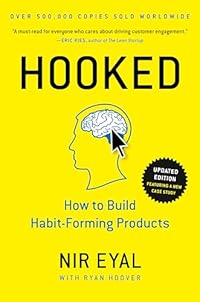
Hooked: Build Habit-Forming Products
by Nir Eyal
Trigger-action-reward-investment thinking maps onto post-conversion onboarding flows you should design alongside your landing page.
View on Amazon →As an Amazon Associate, AIPostMockup earns from qualifying purchases.
Frequently asked questions
What is the cheapest landing page builder in 2026?
Unbounce vs Instapage: which is better for paid traffic?
Can Webflow replace Unbounce for landing pages?
How does HubSpot CMS Hub compare to a dedicated landing page builder?
Does Carrd support A/B testing?
What is the best landing page builder for SaaS in 2026?
Are Unbounce templates SEO-friendly?
Which builder has the best AI features?
About the author
Mustafa Bilgic
Solo founder · Adıyaman, Türkiye · [email protected]
I run AIPostMockup as a one-person business. There is no editorial team, no investor desk, and no marketing department behind this page — just me, a laptop, and the vendors' own pricing pages. If a price or feature on this page falls out of date, please email me and I will fix it within 24 hours.